

This post may contain affiliate links. We may receive a small commission, if you make a purchase. Read Disclosure.
Working abroad is one of the most exciting ways to travel long-term. Not only does it make the travel experience cheaper, but it turns the everyday mundane, like visiting the bank, into an exotic adventure.
Craig and I have lived and worked abroad in several different countries; we’ve worked in London, Dublin, Bangkok, and finally settled in Raleigh, North Carolina.
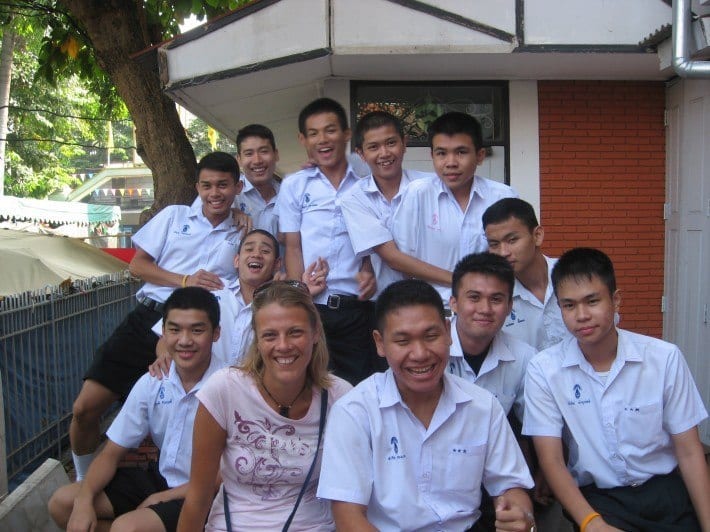
We loved every minute of it and we highly recommend everyone experiences working abroad at least once in their life (trust me, you’ll get addicted).
That being said, it’s not as simple as packing a suitcase and boarding a plane. There are many things you need to prepare before you can move abroad, from arranging visas to sorting finances, as well as familiarising yourself with the local customs and culture before you go.
To help you out, here is a check list of things to prepare before moving abroad.
Things To Prepare Before Moving Abroad
1. Have reserve money

Working abroad means you often don’t have to save as much money in the first place to travel long-term. It’s one of the major reasons we recommend doing it.
It’s (mostly) cheaper to travel on local currency and you’re always replenishing the purse with each new weekly pay check.
But, it’s really important that you do arrive with reserve money in the bank. This can be used to put deposits on apartments, pay for visas, and just to have peace of mind in the unlikely event something will go wrong.
It might be that you won’t get your first pay check for at least a month, or you might need to pay a security bond for your apartment, or have to furnish a new place.
And of course you want to travel a little bit too.
2. Be prepared for culture shock
I know plenty of people who have been outwitted by culture shock and returned home only weeks into their working abroad adventure.
Change brings chaos, which is only elevated by being in a strange environment.
You’ll love being an expat at first as everything is so new and exciting, but pretty soon that high will come crashing down and you’ll notice how different everything is – in a sucky way!
That’s okay, this is part of the change process. Once you stop being a visitor and start becoming a local, you realise the flaws and pitfalls of a place.
If you understand it’s just that old pest culture shock, you’ll move through it. There’ll be tears and outbursts, but this is great, just let it flow out.
The best way to move through culture shock is to continue to explore and experience what is so great about the area you’ve moved to.
Keep the travel experiences and the fun alive and don’t get bogged down by the everyday life of another country.
We’d frequently go on weekend trips, attend concerts and festivals, and party with new friends. This made the transition so much smoother.
We have tips on managing reverse culture shock which can be applied to culture shock!
3. Cover yourself with international health insurance for expats
Medical bills can be extraordinary in other countries – I’m looking at you, America!
There’s nothing worse than being sick or injured in another country away from the security of your home medical system and the love of your family.
Don’t freak out about this, just cover yourself so you have peace of mind.
Some employers offer health packages as part of their offering, but generally, it only covers minor issues, so we recommend getting health insurance as a backup anyway.
Safety wing is one of the best insurance companies for nomads. See prices below:
4. Prepare your paperwork

I never realised how important this was until I was in Africa and having to chase down paperwork from all the places I had lived previously – London, Australia, Bangkok and Dublin. OMG, what a nightmare!
Make sure you get all references and statement of services from your current job in your home country, and from any other job you do in your working abroad experience. You just never know when you might need them.
Before you leave for your working abroad experience, ensure you have all the paperwork you need for your new job: degree certificates, references, statement of services, resume, resources, and police checks.
And everything you need for your visa: the actual visa, bank statements, anything that proves ties to your home country.
5. Pack with intention
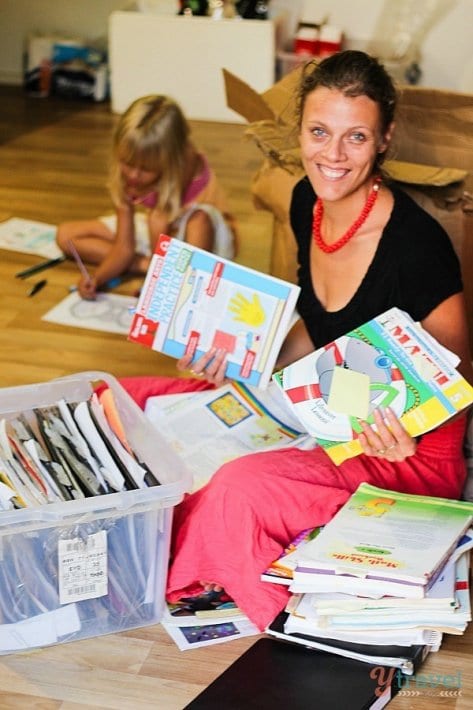
There is a tendency to want to pack your fluffy teddy from when you were six, and every picture frame in your house. It’s nice to bring the comfort of home with you, but you’re travelling to break out of the comfort.
Do your research before packing your suitcase. Remember, you can also buy things when you get there (which may be more fun than bringing it with you!)
Pack considerately and as minimally as you can. You can save a lot of hassle and shipping costs by purchasing what you need in your new destination.
When packing, think about:
- What will the seasons be like?
- Do you need any special clothes or equipment for work?
- What are the lifestyle and material costs in your new destination?
If it works out cheaper to bring your own things, then consider freight shipping and organise it to leave at least six weeks before you arrive, so it arrives when you do – assuming you have your accommodation sorted before you leave.
If not, ask a friend or relative to help you send your belongings over. Here are tips for decluttering and preparing for full time travel.
6. Research costs
You don’t want to go into bill shock in a new country. It’s important to fully understand what you’re being paid each month, and what your expenses are.
Being paid in Vietnamese Dong can make you feel like you’re loaded, but remember one bottle of water is 13,000 dong. Suddenly, your pay check feels smaller.
Make a list of all you need to live comfortably now. Cross out the ones that truly aren’t that necessary, like cable TV, and highlight the ones that are necessity.
Now research what the costs of those things will be in your new country. I’m sure there will be some you now discover aren’t worth paying for and will eliminate from your list.
You can prepare for your working abroad experience by researching the best price and value the different companies offer for those things you really need.
For example phone and internet coverage, rent, transportation costs, and vehicle hire.
7. Research your new area

One way to overcome culture shock is to try to have a little sameness from your life in your own country. Research your new home so you can find where those things are and incorporate them into your new life.
For example, you might love visiting farmers markets, or running through national parks. Find where those places are in your new area.
It’s also great to have a good idea of the layout of your new region and where the best places to live are. This will save a lot of headache and time for when you arrive.
The less planning and running around you have to do when you arrive, the better you’ll feel and the less impact culture shock will have.
Also note the transportation options. It might be a good idea to hire a car for the first couple of weeks to help you in organizing a new place to live and any way you need to furnish it. It will also help you get a good idea of the layout of the city or town.
Make sure you also know the transportation routes available for you.
8. Pre-arrange meet ups and start building relationships before you leave

The world is so much easier for this now with social media and online sites like Meetup.com. You can easily connect with people with the same interests as you in your new country.
If you are moving to a new country with a job already organised you can start connecting with colleagues.
You can also join expat Facebook groups or sign up to dating apps which have a “friends” function – unless you’re looking to date of course!
I moved to the US with a job already in place through a company that employed teachers from around the world.
I already had a network of friends in place and we connected straight away at our orientation meeting. It made a huge difference to our ability to settle in and enjoy the experience.
When I moved to London, I was on my own without a job, but I knew of some people from home living there. We weren’t really friends, but I contacted them to meet up and help me have a little of that home security. It was awesome and one of them is still one of my best friends.
Quickly making friendships in your new home is the best way to ensure you won’t be outplayed by culture shock.
9. Create your bucket list

So, you’re not really moving abroad just for work. Your main purpose is to travel and check off those bucket list items.
Whenever I know I’m moving to a new country, I buy my Lonely Planet books and sit down to my computer to do my research. My excitement is often enough fuel to fly me overseas myself!
Your bucket list is essential. It will remind you why you are doing this during the tough times and will keep you focused on saving and taking the time out on weekends and during holidays to get out and see the local area.
10. Know your tax

Don’t forget to research what sort of tax you will be liable to pay and if you are entitled to receive any back.
A lot of people overpay tax without realizing it. You could be due tax back if you worked abroad or were taxed incorrectly or perhaps didn’t work for the full year. Thankfully, a colleague of mine in Dublin, tracked me down in North Carolina to let me know the Irish government owed me $5K in back taxes!!
TaxBack.com can check out your details and tell you for free what you’re owed. They provide tax refunds for 16 countries worldwide including Ireland, the US, Australia, Canada and New Zealand.
11. Start learning the language

One of the best ways to get to know a country is to learn the local lingo and to interact with the locals. After all, you don’t want to move abroad and make friends with only expats?
As soon as you get settled, sign up for language lessons in person. You can use apps like Duolingo, but I find the best way to learn a language is to immerse yourself in it, and having a proper face-to-face class with a teacher to keep you focused is doing just that.
You can also make friends with other people in your language class, and when you feel confident, attend language exchange meetups.
12. Figure out what to do with your home, back home
If you own your home, you might want to get a tenant and rent it out, or you might find that to be too much hard work, and decide to sell it.
Either way, don’t forget to figure out what you are doing with your home, and all the furniture and belongings in it.
If traveling for a shorter period of time and you have pets, use a service like Trusted Housesitters to take care of your pets.
13. Tell people you’re leaving!

It’s important to not just tell people you’re leaving, but to make arrangements for how to stay in touch with people back home.
The hardest thing about leaving is saying farewell to your friends and family. There will be tears, there will be people asking you to stay, but as long as you tell people you will visit and stay in touch, it becomes much easier.
Have a party and enjoy your last few weeks with the people you love. You will see them again, but it may not be as soon as you or they might like.
Final Thoughts
Okay! Now you know what you need to prepare before moving abroad, we hope you’re feeling a little more secure in your working abroad experience.
Now all that’s left to do is get going!
Look out! Amazing adventures ahead.
More tips:
- Work and Travel Abroad the Easy Way with Global Work & Travel
- The Rise of Paycations: Tips for Balancing Work + Wanderlust
- How to teach English overseas (From a teacher who’s done it)
- 6 jobs you can do overseas (tips from those who’ve done it!)
- A Complete Guide on How to teach around the world
How do you feel about a working abroad experience? Are you prepared? Let us know in the comments.
Loved this article! I’m graduating university in about a year and am hoping to work abroad immediately after 🙂 Seems like an amazing adventure.
The best decision ever! You can’t beat it. I left three days after my graduation from uni and I’m still going 17 years later
Love this! We have been traveling a lot more and luckily I work online as a freelancer so it makes everything pretty easy. However, my sister will be working in other countries for the disabled starting next year and I really need to tell her about your blog because I know it will be extremely helpful for her and her future work travels!
Thanks Michelle! Please do tell your sister, we LOVE helping people follow this lifestyle
Did you have your girls with you when you worked abroad?
I am planning to move from the US and work abroad in Melbourne in about a year. (Dublin a few years later.) I’ve been saving and planning for some time. My concern is my children; do they have rights to public school? What about my lack of a support system (AKA: Grandparents)?
Just curious if you met any unexpected obstacles pertaining to your children while living and working abroad?
P.S. I love all the information in your blog posts! 🙂
Kalyra was 9 months old when we moved to the US the second time. She lived with us there for 2 years.
It was hard without the support system, but we managed just fine. You’ll make friends who will become a lovely support system for you.
Kalyra went to a home day care for three days a week, which was awesome. She loved it and her carer was just amazing.
She wasn’t of school age, but I was a teacher and children should have a right to public school. As long as you have the right visa papers it won’t be a problem.
I know in America even if the kid’s parents didn’t have the papers, the kids were still accepted into schools.
We haven’t had any unexpected obstacles while living abroad with our kids. We find it just the same as living at home – same challenges just different environment. All easily solved and managed. We have no hesitation doing more of it and recommending it to other parents.
Great List…. I taught ESL in South Korea, thankfully all my paperwork was taken care of beforehand! I also didn’t get my first paycheck until at least a month later. Even when you are assured you will be getting things in a certain time frame, always be ready for delays/people not following through.
bound to happen. I had to ask Mum a couple of times for some help!
Hi! Awesome post. I love that you’ve posted to research the area you are traveling /moving to. If you are a Farmers Market lover, like me, I’ve Posted on Six Quick Reasons to Shop at Farmers Markets http://kidseatchocolate.com/market/six-quick-reasons-shop-farmers-markets/. Traveling the world and visiting Farmers Markets, is one of life’s great pleasures. The vibe, the vendors, the food, the price. All amazing.
LOVE farmer’s markets!!
I really enjoyed reading this! I had some pretty bad culture shock when I did a semester abroud for uni so can totally appreciate that it’s on there.
I think you have everything pretty well covered to be honest. Really love that you’ve done this in so many places too! What was Dublin like for backpackers?
Dublin was brilliant! We last lived there in 03! (time sure does fly!) I’m not sure how much it has changed, but it was awesome fun when we lived there. IT’s not that much different to working and living in London. And Ireland is so small that its easier to travel. Ahh I really feel like going back there now!
Great list and pretty much sums it all up for me. Having worked in a few places around the world, I’ve experienced the emotions of longing back for home (which we will all have one day or another I think). Reconnecting with my ‘why’ (why I decided to work abroad) really helped for me. Knowing that the emotion of home-sickness lasts only as long as you want it to last, and that it is just the need for certainty, do something that gives you just that, certainty – like going for a daily walk, doing yoga or anything that gives you routine/certainty in a uncertain place.
Love this Stoewie!! The why is so super important – for anything you do!
Great tips! I think joining a sports club, a gym, or a sports team would also be a good idea to meet new people and make new friends. When I lived in England, I took courses in tap-dancing and flamenco dancing. Lots of fun, and made some new friends along the way as well.
And if you move somewhere where English is not the main language, you could also take a language course: makes it easier to chat with locals or make friends among locals, and it’s also a great way to meet other expats who struggle with the new language and who are going through the same culture shock as you are.
Fantastic tips! Doing a language course is a great idea. One of our Aussie mates joined the local AFL club in the States when we lived there. WE couldn’t believe they had a team. He loved it and we loved being the vocal supporters at the games – and the parties in the bar after it.
These are really awesome tips! Thanks for the guide :).
Great tips. I think you are very brave working abroad with two kids. For me seems almost impossible even though I work online. Changing my kids environment stresses me out because I don’t know if this is the right thing to do now that they are in school age.
I always forget how long and tedious the paperwork can be…
Taught 4 months in Singapore and it was one of the best things I’ve ever done. Don’t wait until you are old, do it now if you possible can…
“4. Prepare your paperwork”
This is the most important point to start with. Because wherever you go in the world, even in your own country, without papers, you are nothing.
Great tips Caz. I have been working abroad in various places for nearly 10 years now and I can say I have successfully made almost all of those mistakes – especially in regards to health insurance, money and paperwork ie: all the really annoying things!